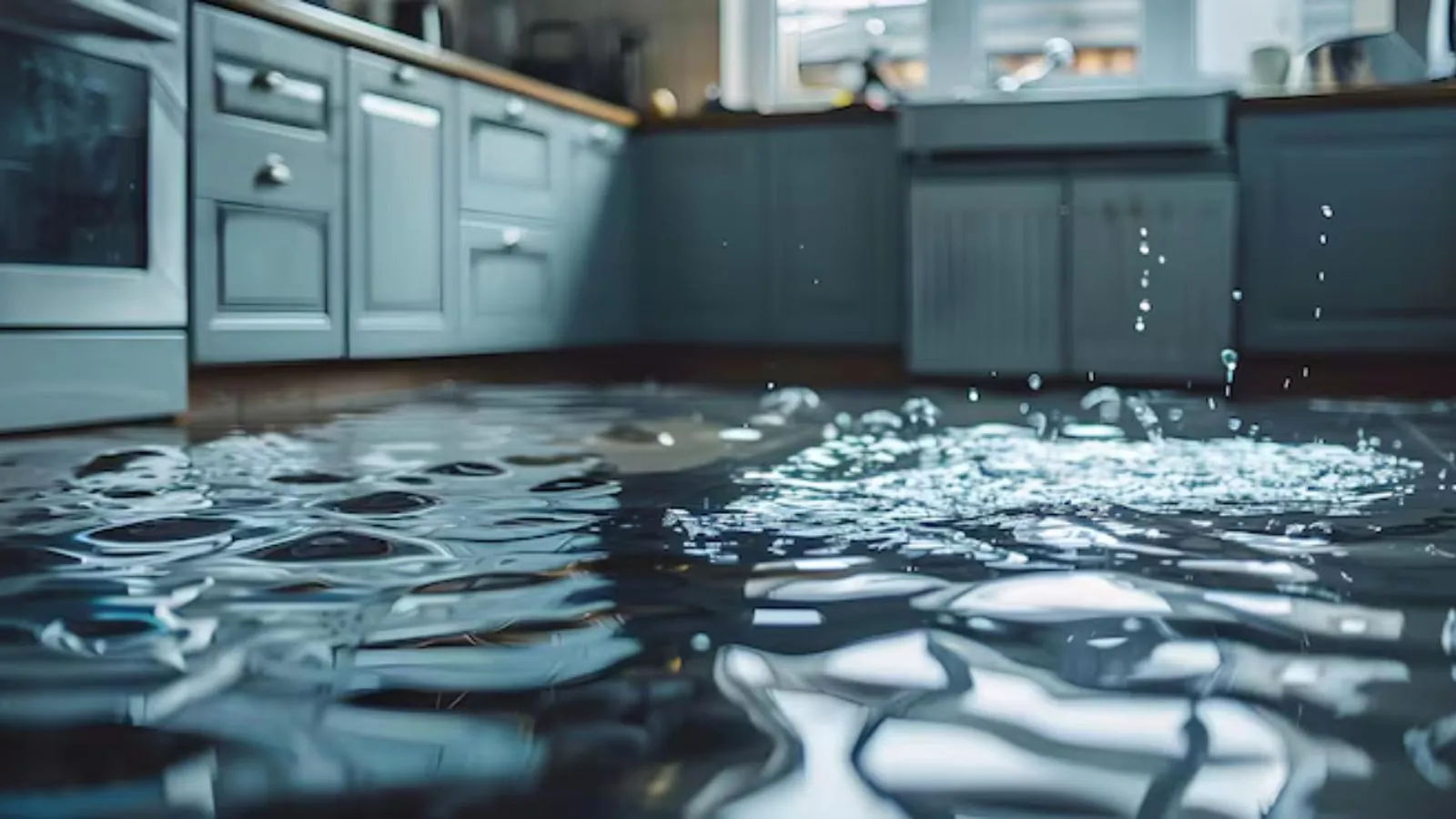
A water damage claim goes more smoothly when the record is clear from the first hour. Photos, dates, moisture readings and receipts tell the story of what happened and what it cost to stop it. This guide lists the steps in order, drawing on the Illinois Department of Insurance, so you are not reconstructing events weeks later.
Nothing here promises a claim will be approved, since your policy and your insurer decide that. The aim is a complete file. If water is still spreading, handle safety and the source first, then work down this list while a crew from the 24/7 line at (833) 521-1033 starts extraction.
The claim documentation checklist
Work through these in order. Each one takes minutes and can prevent a dispute later.
- Stop the source if you can do so safely, and write down the time you discovered the water.
- Photograph and video every wet room before moving anything, including water lines on walls and furniture.
- Call your agent or insurer and report the loss, even if you are unsure the policy covers it.
- Keep damaged materials until your insurer says you may discard them, or photograph them first.
- Save receipts for emergency steps such as extraction, drying, board-up and temporary repairs.
- Ask the crew for a written scope, daily moisture readings and a final drying summary.
- Keep a log of every call, with date, person and what was said.
What the Department asks you to do
The Illinois Department of Insurance says to contact your agent to file as soon as possible, because most insurers require timely reporting. It says to report water claims even if you are not sure of coverage, to take photos of all property damage and to have your policy number ready. It also advises stopping the source of water, taking reasonable steps to protect the property and not making large or permanent repairs until the insurer has inspected.
Reasonable protective steps are not the same as permanent repairs. Extraction, drying and temporary covering are the kind of protective steps many insurers expect. Rebuilding drywall, flooring or cabinets before inspection is the kind of permanent repair to hold off on until you have the insurer's go-ahead.
Moisture readings are evidence
A moisture meter gives a number, and numbers are hard to argue with. The first set of readings shows how wet the structure was. Later sets show how drying progressed. A final set shows materials back in a normal range. Together they explain why equipment ran for the number of days it did.
Ask for these records as the job goes, not at the end. Save them in the same folder as your photos. If your insurer sends an adjuster, you can hand over a complete file rather than a story.
Who typically provides what
Responsibilities differ, but this is a common split.
| Item | Usually provided by |
|---|---|
| Photos of the loss | You, before anything is moved |
| Moisture readings and drying log | The restoration crew |
| Written scope of work | The restoration crew, explained before work starts |
| Coverage decision | Your insurer |
| Plumbing or roof repair invoice | The plumber or roofer |
Large losses and vacant properties
Callers sometimes report a large loss at a vacant home. Vacancy clauses can change coverage, so tell your insurer the property status plainly and ask what it requires. For commercial properties, the process is similar but the policy terms differ. See commercial water damage restoration for that side.
For homes, the cleanup stage is described on the water extraction page. Drying readings are explained on structural drying.
Talking to the adjuster
An adjuster inspects the loss and writes an estimate. Walk through the affected rooms with your photos and the drying log in hand, and point out where water traveled. Ask when you can expect a decision and whether the insurer needs anything else. Keep notes of each answer and who gave it.
If the estimate seems to leave out a room or a material, ask in writing how the figure was built. Many gaps close when the adjuster sees moisture readings that show wet areas beyond the visible stain.
Personal property and temporary housing
Make a list of damaged belongings with a brief description, age and approximate value, and attach photos. Do not discard items until your insurer says you may, or photograph them first. Some policies include additional living expense coverage when a home cannot be used during repairs, so ask whether yours does and what receipts are needed.
Keep your list in the same folder as the drying records. A single organized folder, paper or digital, is what turns a stressful claim into a manageable one.
Permits and the Village
If repairs go beyond drying, ask the Village of Arlington Heights Building and Life Safety Department at 847-368-5560 which permits apply. The Village states that initial building permit submittals are made electronically through the Civic Access Portal. Permit questions are separate from your claim, but a rebuild timeline often depends on them.
Neighboring cities run their own departments. If your property is in Rolling Meadows or Prospect Heights, contact that city rather than the Village.
Source types: Village of Arlington Heights Building and Life Safety page, Illinois Department of Insurance consumer pages
Questions homeowners ask
How soon should I report a water damage claim?
As soon as possible. The Illinois Department of Insurance notes that most insurers require timely reporting.
Should I throw away damaged items?
Photograph them and ask your insurer first. The Department advises keeping damaged materials until your insurer says otherwise.
Can I start drying before the adjuster arrives?
Reasonable steps to protect the property are normally expected. Ask your insurer how it wants them documented.
What if I cannot reach Village permit staff?
The Building and Life Safety line is 847-368-5560, and permit submittals use the Village Civic Access Portal.