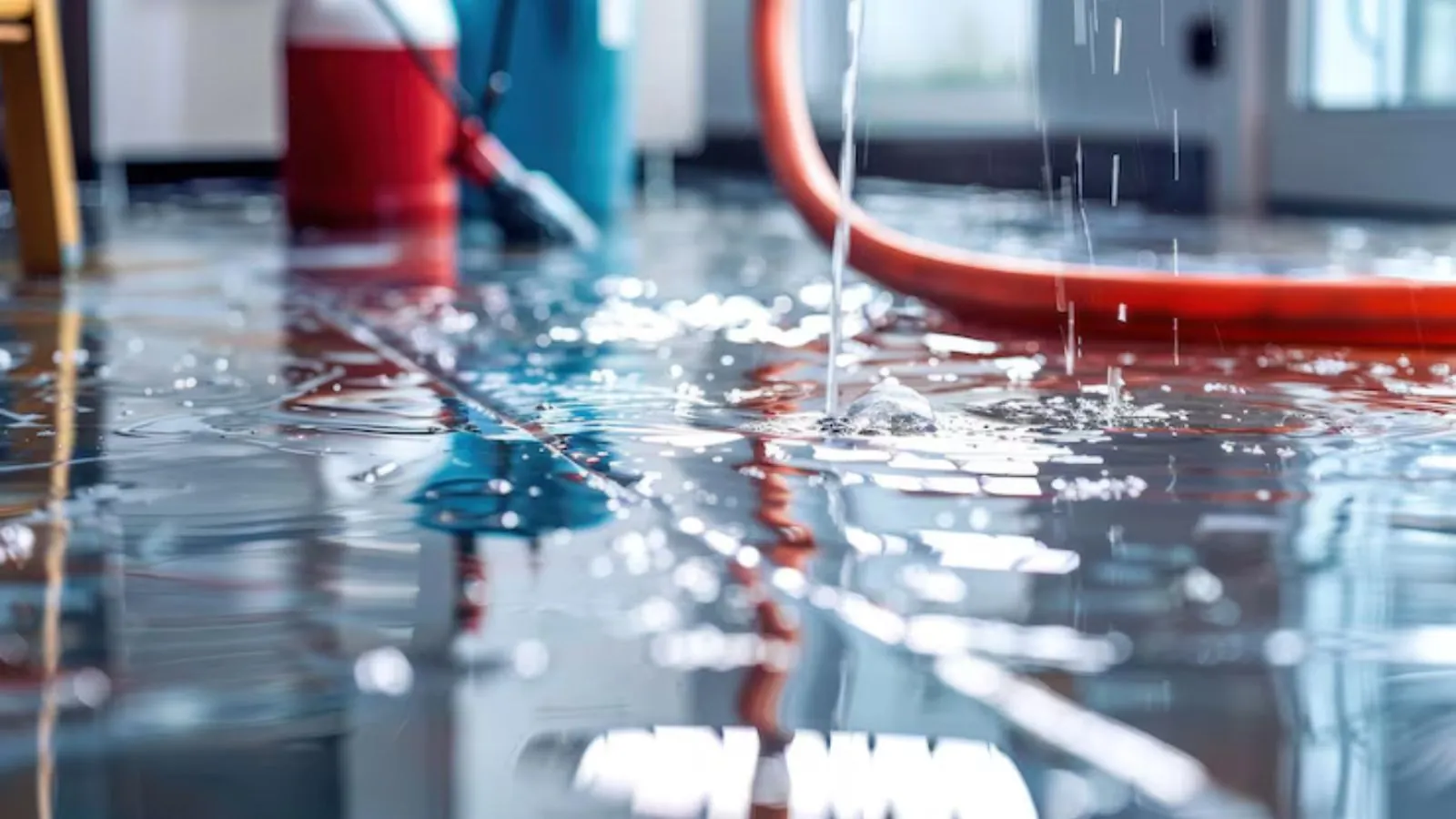
Flood damage means water that came from outside the plumbing: heavy rain, overflowing drainage or a swollen creek. In Arlington Heights, call the 24/7 line at (833) 521-1033 if floodwater is inside your home or business. Stay out of water near outlets, do not wade through it barefoot, and do not turn on electrical equipment that has been wet. A crew handles flood cleanup around the clock.
Floodwater is rarely clean, so cleanup is a safety job first. It differs from storm water damage, which is wind and rain entering through the building envelope, and from basement water damage, which focuses on the below-grade room.
What the Village and county sources say about flooding here
The Village of Arlington Heights reports that the July 23, 2011 storm caused flooding across parts of the community, with average single-family damage of about $8,500 in today's dollars, a figure the Village itself calls unscientific. Three flood studies between 2013 and 2016 identified 17 stormwater improvement projects, and the Village describes standards that allow street ponding up to one foot.
The takeaway is not that every address floods. It is that street ponding and sewer capacity are known issues, so check your own address on the FEMA Flood Map Service Center and ask the Village about drainage near you. Your flood zone is a property-specific fact that this page cannot state.
Water categories decide the safety steps
The IICRC S500 standard groups water by contamination. Floodwater is normally treated as Category 2 or 3.
| Category | Source | Cleanup meaning |
|---|---|---|
| 1 | Clean supply water | Dry in place when caught quickly |
| 2 | Significant contamination, for example washing machine discharge or some flooding | Extraction, removal of porous materials, sanitizing |
| 3 | Grossly contaminated, including sewage and river water | Containment, protective gear, removal of affected materials |
First moves in a flood
Safety comes ahead of belongings.
Stay out of live water
Do not enter flooded areas where electricity may be live. Call the utility for service concerns.
Document before moving
Photos and video of water lines and damaged items support a claim.
Lift what you can
Move valuables to higher ground when it is safe to do so.
Call the 24/7 line
Describe depth, source and which rooms are wet.
Floodwater inside?
The 24/7 line answers day and night. Tell the crew what the water touched.
Flood damage cleanup process
Flood jobs follow the same order, with extra safety.
- 1
Assess and protect
Water category and hazards are confirmed.
- 2
Extract
Pumps and extraction units clear the water. See water extraction.
- 3
Remove and sanitize
Porous materials that touched contaminated water are removed and surfaces sanitized.
- 4
Dry
Equipment runs until readings return to normal. See structural drying.
What shapes flood cleanup cost
Flood work is scoped around contamination and volume, and the scope is laid out before work begins.
Insurance note: flood damage is usually excluded from standard homeowners policies and requires separate flood coverage, per the Illinois Department of Insurance. Flood policies often take 30 days to take effect. Sewer or sump backup may be covered if you have that endorsement. Check your policy, call your agent early and keep records. Keep photos of the high-water marks.
Mold and flooding: why timing matters
Mold needs moisture and time. After a flood, prompt extraction and drying reduce the conditions mold needs, but they cannot promise it will not appear. If you see growth, read mold remediation.
Flood Damage Cleanup questions from Arlington Heights homeowners
Will someone answer if flooding starts overnight?
Yes. The line is open 24/7, including storms that hit overnight. Describe the depth and the source and keep clear of electrical hazards until help arrives.
Is my flood damage covered by homeowners insurance?
Usually not, because floods are typically excluded and need separate flood coverage. Sewer or sump backup may be covered if you have that endorsement. Ask your insurer.
How do I find out if my property is in a flood zone?
Use the FEMA Flood Map Service Center with your address. The Village can also answer drainage questions.
How long until the structure is dry?
It depends on materials and readings. Many jobs take several days, and some take longer.
Do you remove drywall after a flood?
Where floodwater is Category 2 or 3 or readings stay high, affected drywall is typically removed. Readings decide.