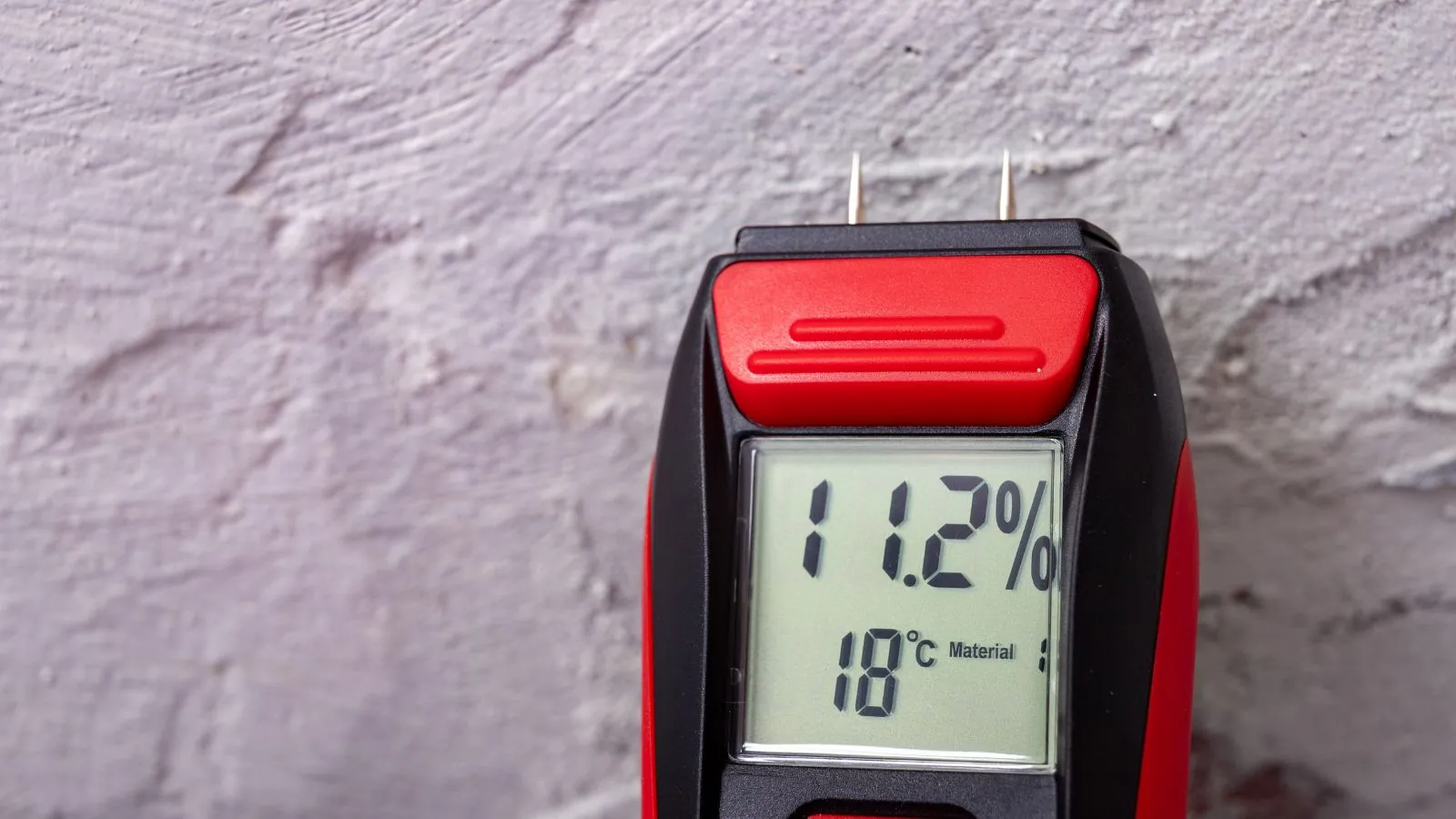
Structural drying is the controlled removal of moisture from walls, floors and framing after water damage, using air movers, dehumidifiers and moisture readings taken until materials return to a normal range. It is the stage that follows extraction on almost every job in Arlington Heights, and the 24/7 line at (833) 521-1033 can schedule it any day of the week.
This page also explains water mitigation, which is the umbrella term for stopping damage from spreading. Callers often describe the need in plain terms: the wall feels cold and damp, the floor is soft, or the house still smells wet. Those are the symptoms of materials that are holding water even though the standing water is gone.
My walls feel damp but there is no puddle: what now?
That feeling usually means moisture is still inside the wall cavity or subfloor. Surface drying does not reach it. Structural drying places equipment to pull moisture out of those hidden spaces, and a moisture meter confirms when the readings drop. This is the point where the plain symptom becomes the trade term: dehumidification and moisture mapping.
How structural drying works
Drying follows physics, not guesswork.
- 1
Moisture mapping
Meters and thermal imaging mark wet materials and set baseline readings.
- 2
Equipment placement
Air movers push air across wet surfaces. Low grain refrigerant dehumidifiers pull vapor from the air.
- 3
Daily monitoring
Readings are repeated and equipment is adjusted.
- 4
Verification
Drying ends when materials meet target ranges, not after a fixed number of days.
Safe steps before the crew arrives
These steps are safe for most homeowners. Call 911 or the utility first for electrical or gas danger.
- Keep doors to drying rooms closed as the crew directs.
- Do not unplug or move drying equipment.
- Keep children and pets away from running equipment and cords.
- Tell the crew if a unit trips a breaker or makes an unusual noise.
Walls or floors still wet?
Call the 24/7 line to schedule moisture mapping and drying.
What the equipment does
Each machine has a role.
| Equipment | Role | What you notice |
|---|---|---|
| Air movers | Speed evaporation from surfaces | Loud fans pointed at floors and walls |
| LGR dehumidifiers | Remove moisture from air | Warm air and water in collection tanks or hoses |
| Moisture meters | Measure wood, drywall and concrete | Handheld readings each visit |
| Thermal imaging | Show cool, wet areas | Camera scans of walls and ceilings |
| HEPA air scrubbers | Filter air when needed | Used when contamination or mold risk exists |
Equipment is used on the job. It is not rented out separately, so if you only want to rent a fan, this is not that service.
How long does drying take?
Drying time depends on the materials, the amount of water and the weather indoors. Many jobs take a few days. Dense materials such as hardwood or concrete can take longer. The crew explains the plan up front and adjusts equipment based on readings. Ending too early risks hidden moisture that can lead to mold.
Related pages explain what comes before and after drying. Water extraction removes standing water first. Mold remediation is a separate step if growth is already present.
Water mitigation and S500 standards
The ANSI/IICRC S500 standard describes accepted drying practice for water damage restoration. You can ask any company whether its crews work to it. Mitigation includes documenting readings, which also helps with insurance claims.
Why drying monitoring helps your claim
Insurers commonly want to see how wet the structure was and how it was dried. Daily moisture readings and photos create a record. Keep copies, and ask the crew for a summary of readings when the job ends. Never assume the claim will be approved, since your policy decides.
What shapes structural drying cost
Drying is priced by equipment, days and readings, and the plan is shown before equipment is set.
Insurance note: drying is commonly part of covered water loss, but your policy governs. Ask for the daily moisture readings.
Structural Drying questions from Arlington Heights homeowners
Can drying equipment be arranged outside business hours?
The 24/7 line answers at any hour, and equipment can be placed quickly after extraction.
Can I just use box fans?
Fans move air but do not remove moisture from it. Without dehumidifiers, humidity can rise and move moisture to other materials.
Will drying stop mold?
It reduces the conditions mold needs, but no promise can be made that mold will not appear.
Do you rent air movers and dehumidifiers?
No. Equipment is used on the job under the crew's monitoring.