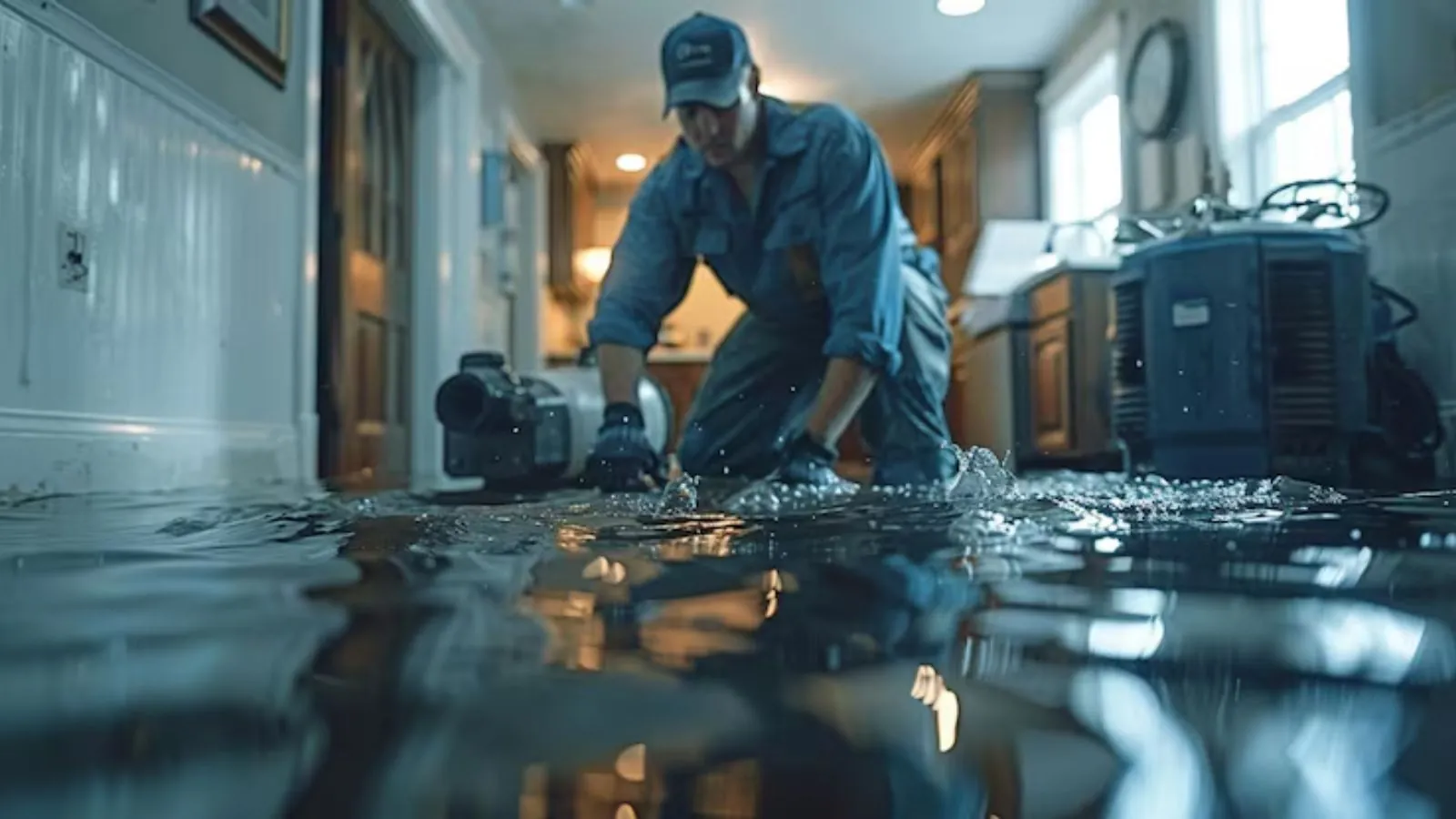
When a restoration crew arrives, one of the first things it does is classify the water. The category tells you how contaminated the water was at the source. It affects safety gear, which materials are removed and how the job is priced, so understanding it helps you follow what the crew is telling you.
These terms come from the ANSI/IICRC S500 standard for professional water damage restoration. This guide explains them in plain language. If water is in your home right now, call the 24/7 line at (833) 521-1033.
The three categories at a glance
Category describes the water at its source, and it can worsen over time.
| Category | Common name | Typical sources | General handling |
|---|---|---|---|
| 1 | Clean water | Supply line break, tub overflow with clean water, melted ice | Extract and dry, many materials saved |
| 2 | Gray water | Washing machine or dishwasher discharge, toilet overflow with urine only | Extract, clean and dry, porous materials often removed |
| 3 | Black water | Sewage, rising floodwater, long-standing water | Containment, protective gear, porous materials removed |
Category 1: clean water
Category 1 water comes from a sanitary source and does not pose substantial risk at the start. A broken supply line to a sink or a ceiling pipe leak are typical. Most materials can be dried in place when the crew moves quickly.
The catch is time. The S500 explains that water can move to a higher category if it sits long enough or touches contaminated materials. Clean water that soaks a dirty carpet pad for days is no longer treated as clean.
Category 2: gray water
Category 2 water carries some contamination that could cause discomfort or illness if exposed or consumed. Washing machine overflow and dishwasher discharge are common examples. Porous materials such as carpet pad are usually removed, while many hard surfaces can be cleaned and dried.
Crews use gloves, boots and antimicrobial cleaning on surfaces, and they keep the work area controlled so water does not spread to dry rooms.
Category 3: black water
Category 3 water is grossly contaminated and may contain pathogens. Sewage backups and floodwater from outside are the standard examples. Carpet, pad, insulation and drywall touched by it are removed, and hard surfaces are cleaned and disinfected.
Do not clean Category 3 water yourself. See sewage backup cleanup and flood damage restoration for how crews handle those losses.
Classes 1 to 4 are a different scale
Category is about contamination. Class is about how much water the materials absorbed and how fast they will release it. Class 1 is the least wet, with low-porosity materials. Class 4 involves specialty drying, such as hardwood, plaster and concrete that hold water deeply.
The class guides how many air movers and dehumidifiers go in. The category guides what is removed and what protective steps are used. A kitchen with clean water in a deeply soaked hardwood floor is Category 1, Class 3 or 4, for example.
How categories change the scope
In Category 1, a crew may dry carpet and pad in place when conditions allow. In Category 2, pad is usually removed and carpet may be cleaned or removed. In Category 3, carpet, pad and porous materials come out, and hard surfaces are cleaned and disinfected. Moving up a category adds labor, protective gear and disposal.
Because of this, the written scope should state the category and why it was chosen. If the crew changes the category during the job, ask what changed.
Why time matters
The S500 notes that water can deteriorate to a higher category over time, and temperature and organic material speed that up. A clean-water leak found on day one is a different job from the same leak found on day four. Early extraction keeps more materials in the saved column.
If you are unsure what kind of water you have, treat it with caution, keep children and pets out and call for help.
What to tell the crew on the phone
Describe where the water came from, how long it has been there, whether it touched a drain or toilet and whether pets or children have been in it. Mention any odor or discoloration. These details help the crew arrive with the right protective gear and equipment.
Do not try to guess the category if you are unsure. Say what you know and let the crew classify it on site.
Local note: why category matters in Arlington Heights
The Village of Arlington Heights describes basement backups in its Combined Sewer Tributary Area, when excess storm water enters sanitary service lines. Water that comes up a floor drain is treated as Category 3, regardless of how clear it looks. Call Public Works at 847-368-5000 to report a backup and ask about your block.
Neighbors in Prospect Heights near McDonald Creek should know creek overflow is also treated as floodwater, so the Category 3 handling applies.
Source types: ANSI/IICRC S500 standard, Village of Arlington Heights stormwater page, Cook County hazard mitigation plan annex
Questions homeowners ask
What is the difference between Category 1 and Category 3 water?
Category 1 comes from a clean source such as a supply line, while Category 3 is grossly contaminated, such as sewage or floodwater.
Can clean water become black water?
Yes, the S500 notes that time and contact with contaminated materials can raise the category.
Does the category change the price?
It changes the scope, since more materials are removed and more protective steps are used. Ask for the scope in writing.
Is storm water in an Arlington Heights basement Category 3?
Floodwater from outside is generally treated as Category 3 because it can carry soil, sewage and other contaminants.