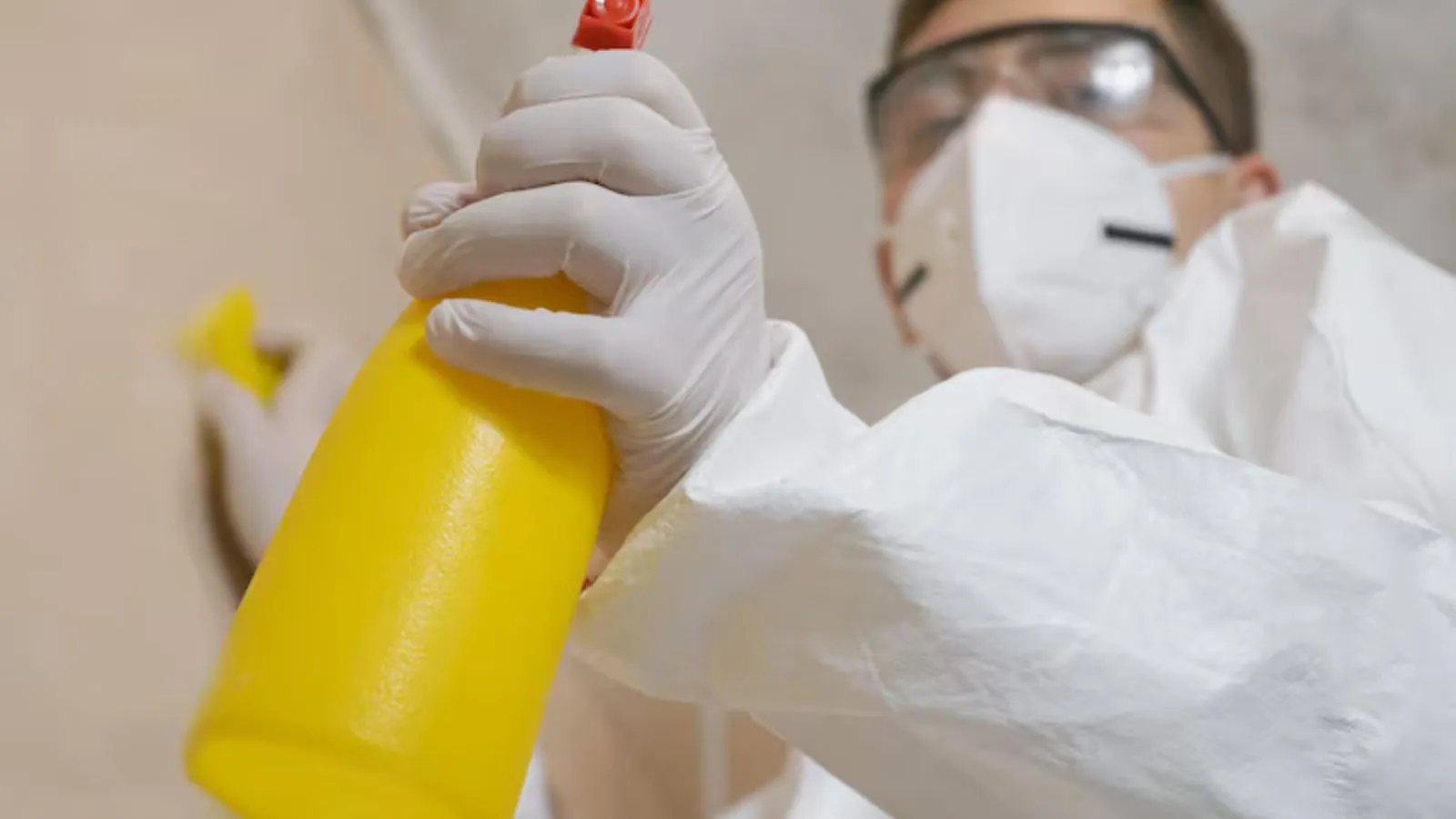
Water damage and mold are linked by one factor: moisture. Mold spores are everywhere, and they need water, food and time to grow. A wet drywall wall, a soaked carpet pad or a damp crawl space provides all three. This guide explains how the two connect, what the warning signs are, and what to do in the first days after a leak.
It makes no health claims. Questions about symptoms belong with a physician. The practical advice is to stop the water, dry everything that can be dried and know when a problem has moved beyond drying.
How moisture feeds growth
Mold needs materials it can digest, such as paper on drywall, wood and dust. Those are in every home. What is usually missing is moisture. A leak adds it, and slow drying lets it stay. That is why fast extraction and measured drying are the first line of defense, and why structural drying is more than running fans.
No one can promise that mold will not appear after water damage. What drying does is remove the conditions mold needs, so the odds drop sharply when materials return to normal moisture readings in a few days.
Warning signs and what they usually mean
None of these proves mold, but each deserves a moisture check.
| Sign | Possible meaning | Next step |
|---|---|---|
| Musty odor in a closet or basement | Hidden moisture | Moisture mapping |
| Stain that returns after painting | Wet cavity behind surface | Open and dry |
| Peeling paint or bubbling drywall | Water in the wall | Find the source |
| Dark spots on baseboards or carpet pad | Possible surface growth | Photograph and call |
| Warm, humid air near an AC closet | Condensate leak | See AC leak water damage |
What to do in the first 48 hours
Stop the source. Remove standing water. Open windows if the weather and security allow, but do not rely on fans alone. Lift wet rugs and pad, move furniture off wet carpet, and photograph everything for insurance.
Call the 24/7 line for extraction and drying. If you already see growth, read the mold remediation page for what containment and removal involve.
When drying is not enough
If materials have been wet for several days, drying may not save them. Drywall that crumbles, carpet pad that smells and insulation that stays damp are usually removed. If growth covers a larger area, remediation under the S520 standard is the next step, with containment and air filtration.
Be wary of any plan that skips finding the moisture source. Mold returns where moisture persists.
Humidity, not only leaks
Not every mold problem starts with a burst pipe. High indoor humidity, a bathroom fan that vents into the attic and a dryer that is not vented outdoors can all add enough moisture for growth on cool surfaces. A small hygrometer shows indoor humidity, and keeping it in a moderate range makes growth less likely.
Winter brings its own version of the problem. Tightly sealed homes can hold cooking and shower moisture, which condenses on cold windows and exterior walls. Wiping condensation and running exhaust fans are simple habits that cost little.
What a professional looks for
A restoration crew starts with moisture mapping, which means scanning surfaces with a meter and thermal camera to find the wet area behind the visible stain. Then comes the source, since drying without a fix just repeats the problem. Finally, any materials that cannot be dried are removed under containment so spores do not spread to clean rooms.
A written scope should say which materials will be removed, how the area will be isolated and what readings will show the work is done.
A simple prevention routine
Check under sinks and around the water heater every month, run exhaust fans during showers, keep indoor humidity moderate and fix drips quickly. After any wet event, ask whether materials were dried to a normal range, not just whether they look dry.
Keep a small kit at home: a hygrometer, a flashlight, gloves and a list of shutoff locations. Preparation shortens the time between a leak and the first step of drying.
Who to call for what
A plumber stops and repairs the source. A restoration crew extracts water, dries the structure and removes materials that cannot be saved. An independent assessor can test or write a protocol when a sale, loan or dispute calls for it. Your insurer decides coverage.
Knowing which role does what keeps you from waiting on the wrong call while materials stay wet.
Local note on basements
The Village of Arlington Heights says basement backups occur in its Combined Sewer Tributary Area when storm water enters sanitary service lines. A basement that has taken water before is a place to watch for dampness afterward. Ask Public Works at 847-368-5000 about your block, and check basement water damage for cleanup steps.
Homes in Prospect Heights and Rolling Meadows fall under different city programs, so contact your own city for drainage questions.
Source types: Village of Arlington Heights stormwater page, ANSI/IICRC S500 and S520 standards
Questions homeowners ask
How long after water damage can mold start?
It depends on materials and conditions. Wet porous materials left damp for days are at higher risk. Fast drying lowers the risk.
Can I clean mold with bleach?
Surface cleaning of a small area differs from remediation. Do not spray bleach broadly. Ask a professional if growth is larger than a small patch.
Do I need testing?
Not always. Testing is sometimes used for a sale, loan or dispute, and independent testing is separate from remediation.
Does a flooded Arlington Heights basement always grow mold?
No. Prompt extraction and drying lower the chance, but no one can promise it will not appear.