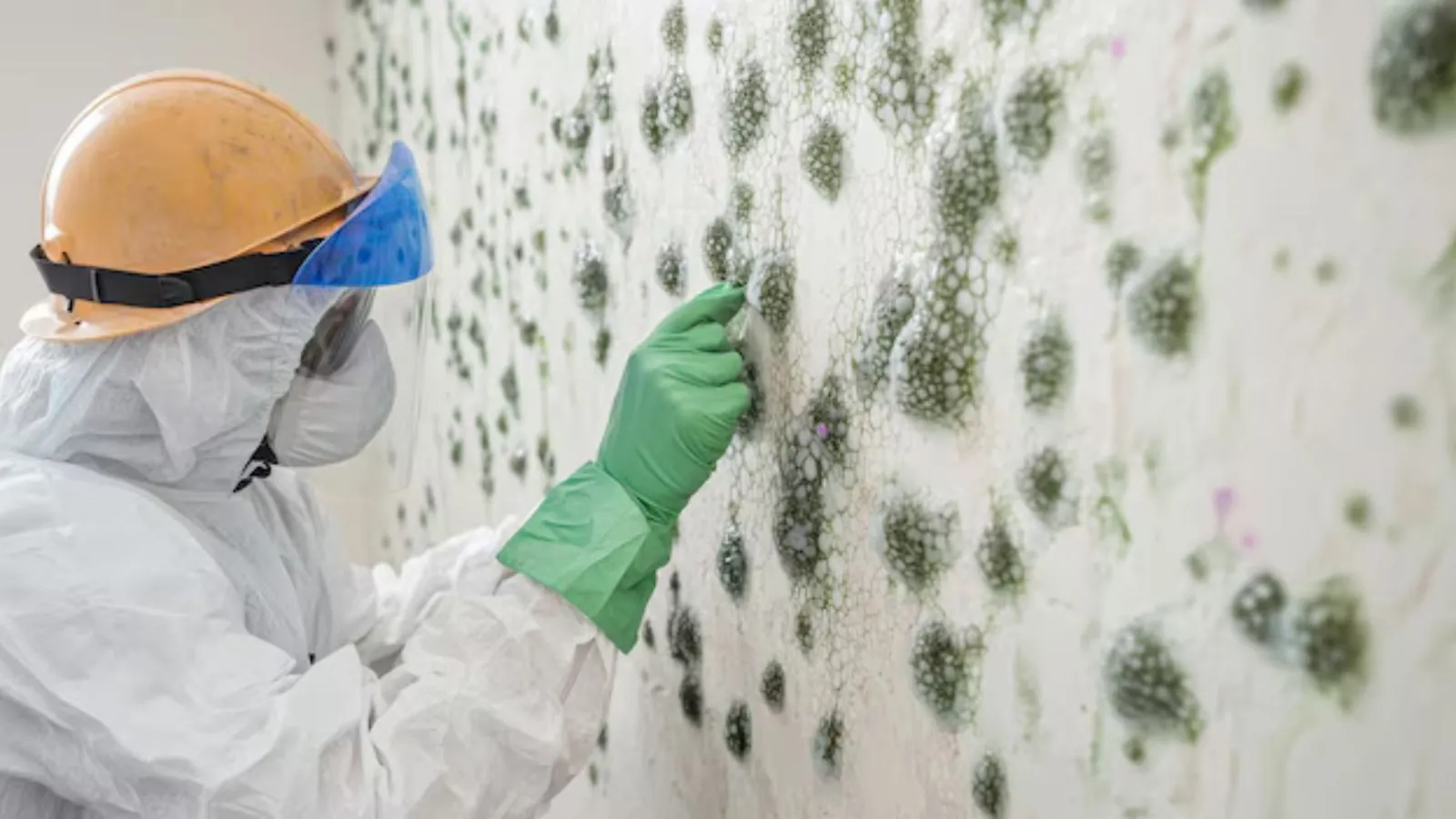
Mold on basement walls is almost always a symptom of moisture, and removing it without fixing the moisture is a temporary fix. Basements are cool, often humid and sometimes wet after storms, which makes them common places to find growth on concrete block, paneling and the bottom of drywall.
This guide separates a small surface problem from one that needs a professional. It makes no health claims, and anyone with symptoms should talk with a physician. If water recently entered the basement, read basement water damage cleanup too.
Find the moisture first
Check for plumbing leaks, window wells that fill with rain, condensation on cold pipes, a failed sump pump and gaps where walls meet the floor. A dehumidifier that fills quickly points to high humidity. A wall that is wet after rain points to exterior drainage.
Moisture meters read drywall and wood, and a simple foil square taped to a concrete wall overnight can show whether moisture comes through or condenses on the surface. Fixing the cause comes before any cleanup.
What can a homeowner handle?
Size and material matter.
| Situation | Typical approach |
|---|---|
| Small spots on painted concrete block | Surface cleaning with detergent, wearing gloves and a mask rated for the job |
| Growth on drywall or paneling | Removal of the material, often by a professional |
| Growth over a large area or in several rooms | Containment and remediation by a professional |
| Growth after sewage or floodwater | Professional cleanup only |
Safe cleaning basics for small areas
Wear gloves, eye protection and a respirator fitted for the task. Keep children and pets out. Wipe hard surfaces with detergent and water, then dry them thoroughly. Do not mix cleaning chemicals. Avoid dry brushing, which sends particles into the air.
Porous materials such as drywall and carpet cannot be truly cleaned once they are growing mold, so they are removed. If you are unsure about the material, ask a professional before you start.
When to call a professional
Call when the area is large, when mold keeps returning, when water recently entered the basement or when the source is unclear. A professional follows the S520 standard with containment and air filtration. See mold remediation and structural drying for how that works.
Ask whether your state licenses mold work before you hire, and ask for a written scope that explains price before work starts.
Walls made of different materials
Poured concrete and block walls are hard, so surface growth on them is often a cleaning job once the moisture is controlled. Wood framing and sheathing are porous and may need sanding or removal depending on how deep the growth goes. Drywall and paneling are the weak points, because paper facing feeds growth and cannot be cleaned effectively.
If a wall has insulation behind it, moisture can sit inside the cavity. Opening a small section lets a professional see whether the wall is wet inside.
Keeping it from coming back
After cleanup, aim for a basement that stays dry and moderate in humidity. Keep gutters clear, grade soil so water runs away from the foundation, maintain the sump pump and run a dehumidifier sized for the space. Store items off the floor and away from exterior walls so air can move.
Check the area monthly for the first season. A musty smell or a reading that creeps up is an early warning, and catching it early keeps a small job small.
Tools and supplies for small jobs
For a small surface patch you need gloves, eye protection, a fitted respirator, detergent, water, a stiff brush or cloth, plastic bags for waste and a fan to dry the area. Avoid mixing products and avoid brushing dry growth.
Bag cleaning cloths and waste before carrying them through the house, and wash your hands and clothes afterward. If a job grows beyond a patch as you open it up, stop and call for help.
Storage and finishing choices
Cardboard against a basement wall is a common source of growth. Plastic bins on shelves keep items off the floor and allow air to move. If you plan to finish the basement, ask about moisture-resistant materials and leave a gap at the bottom of walls for drying.
Wait until readings are normal and the cause is fixed before you cover walls with new drywall or paneling.
Local note: sump pumps and drainage
The Village of Arlington Heights lists sump pump failure among the situations that overwhelm basements in heavy storms, and its stormwater page describes flood-prone areas and ongoing drainage projects. A sump pump that fails during a storm can soak basement walls in hours. Test yours before the season and consider a battery backup, which is a plumbing decision.
Homeowners in Prospect Heights near McDonald Creek should know the county plan lists homes there among flood-prone areas, so ask the city about your street.
Source types: Village of Arlington Heights stormwater page, Cook County hazard mitigation plan annex for Prospect Heights
Questions homeowners ask
Does bleach kill basement mold?
Bleach can lighten surface stains but does not fix moisture. Many professionals prefer detergent cleaning for hard surfaces. Never mix chemicals.
Can I paint over mold?
No. Paint hides it and traps moisture. Remove growth and fix the cause first.
Do I need testing?
Not always. If you plan to sell or a lender asks, independent testing may be requested.
Why does my Arlington Heights basement smell musty after rain?
Rain can raise humidity or push water through walls. Check the sump pump, window wells and drainage near the foundation.