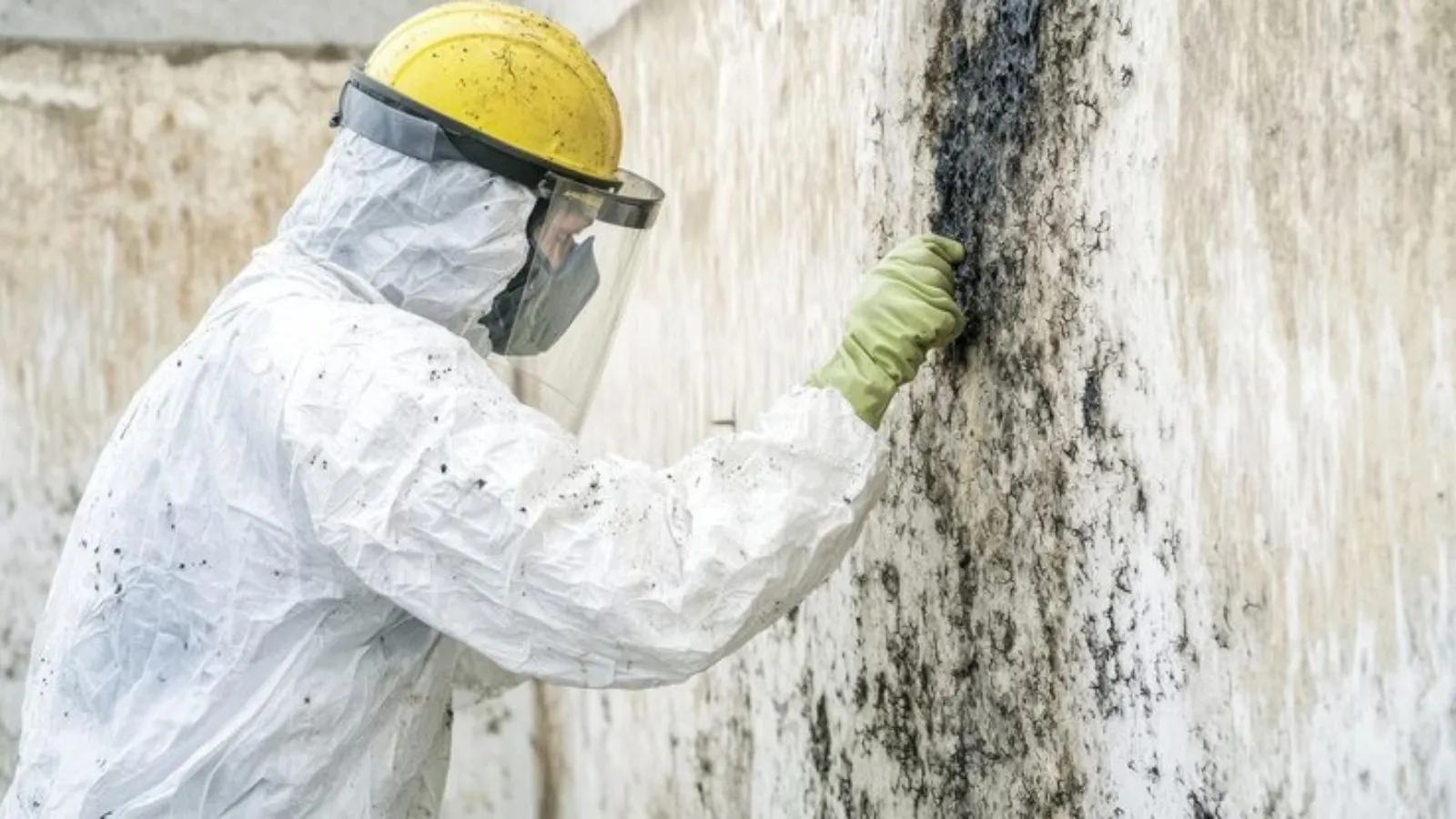
Homeowners often ask for an exact number of hours before mold begins. Honest answer: it depends. Mold spores are present in ordinary indoor air, and they begin to grow when they land on a damp, digestible surface at a workable temperature. Common guidance from public health agencies is that growth can begin within a day or two on wet materials, and that quick drying is the best prevention.
This guide explains the factors that speed or slow growth and how to use the first days well. It makes no health claims. If a person in the home has symptoms, a physician is the right contact. If materials are wet now, call the 24/7 line at (833) 521-1033 while you read.
What sets the timeline
Four things matter most: how wet the material is, what the material is made of, how warm the room is and how much air moves across it. A soaked carpet pad in a warm, closed room is a fast-growing setup. A wet concrete floor in an open, ventilated room is much slower.
Porous, paper-faced or organic materials such as drywall, ceiling tile, cardboard and wood give mold more to feed on. Glass, metal and sealed tile give very little. This is why a wet closet full of cardboard boxes can show spots before a wet tile floor does.
Rough risk by material when left wet
These are general patterns, not predictions for your home.
| Material | Relative risk if left wet | Usual outcome |
|---|---|---|
| Paper-faced drywall | High | Cut out if wet for several days |
| Carpet pad | High | Usually replaced |
| Cardboard and stored paper | High | Discarded |
| Framing lumber | Moderate | Dried and checked |
| Concrete slab | Lower | Dried |
| Sealed tile | Low | Cleaned and dried |
The drying window
Industry practice under the ANSI/IICRC S500 standard focuses on removing water and drying structure quickly, with measured readings showing when materials are back to a normal range. Speed matters because every extra day wet raises the chance that porous materials cannot be saved.
If water is clean and you act quickly, many materials can be dried in place. If water sat for days, or came from a sewer or floodwater, more materials are removed. See structural drying for how readings guide the process, and water extraction for the first step.
Steps for the first 48 hours
Stop the water source and remove standing water. Lift wet rugs, pad and cardboard. Move furniture off wet floors and keep air moving. Run a dehumidifier if you have one, and keep doors to wet rooms open so moist air can escape.
Photograph everything for your insurer before you remove it. Do not seal wet materials behind paint, new flooring or plastic, since that can hold moisture in. If you see growth already, see mold remediation for what removal involves.
When odor appears
A musty smell after a leak means moisture is still present somewhere, even if you cannot see it. Check closets, the backs of cabinets and the lower wall near the leak. A moisture meter helps find hidden wet areas, and a thermal camera can add clues.
Smell alone does not prove mold, and its absence does not prove it is not there. Use readings and a visual check together.
Why there is no universal number
Articles that promise an exact hour count oversimplify. Laboratory conditions are not a house, and a house has hundreds of different surfaces, temperatures and moisture levels. A better question is whether any material has been continuously wet long enough for growth to take hold, and the honest answer comes from readings and inspection.
That is why professionals check materials instead of relying on a calendar. A wall wet for two days with good airflow may be fine, while a pad wet for two days under a rug may not be.
Signs that the window is closing
Odor is the first sign for many people. Staining on drywall, soft or swollen baseboards and a slick feel on wood are others. If you notice these after a leak, move from drying in place to checking what needs to be removed.
Quick action is almost always a smaller job than waiting. Removing a small section of wet drywall early is a smaller job than removing a whole wall later.
Local note: Arlington Heights storm weather
The Village of Arlington Heights says a July 23, 2011 storm caused flooding across parts of the Village, and that basement backups occur when storm water enters sanitary service lines in its Combined Sewer Tributary Area. Warm summer storms combine moisture and warmth, which is the setting where wet materials turn quickly. If your basement took water, treat the first two days as the drying window.
Call Public Works at 847-368-5000 with questions about your block. Homes in Rolling Meadows should check with their city instead.
Source types: Village of Arlington Heights stormwater page, ANSI/IICRC S500 and S520 standards, U.S. public health guidance on mold
Questions homeowners ask
How long does it take for mold to grow after a leak?
Growth can begin within a day or two on wet porous materials, but timing depends on moisture, temperature and airflow.
Can I stop mold by running fans?
Fans help with surface drying, but wet cavities and pad need measured drying. Readings show whether materials are back to normal.
Will every wet home grow mold?
No. Fast extraction and drying lower the chance, but no one can promise mold will not appear.
What should I do after a summer storm floods my basement?
Remove water, lift wet carpet and pad, photograph for insurance and call a crew for drying. Do not wait for odors.