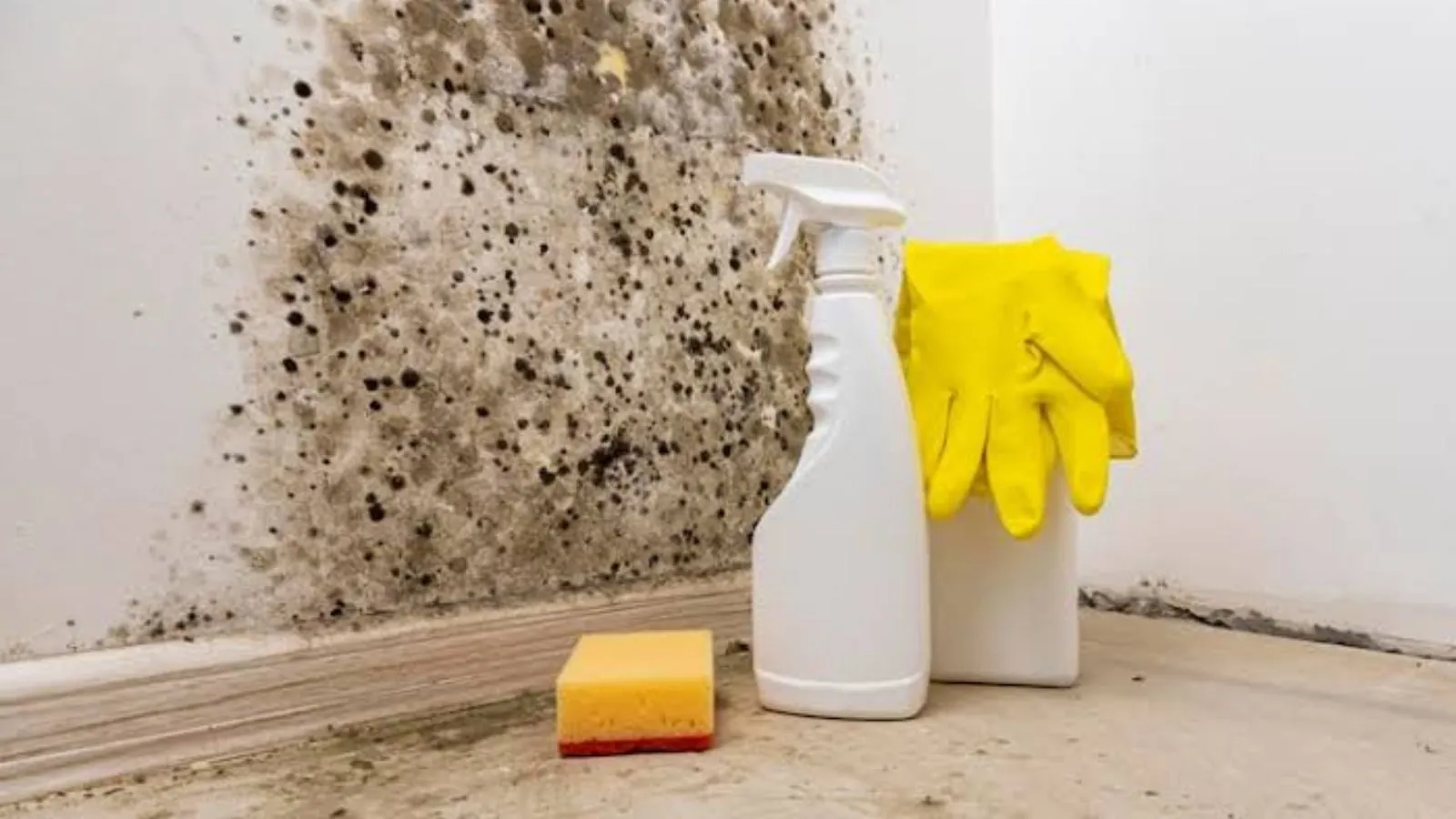
Mold is one of the most confusing parts of a homeowners policy. Some policies exclude it, some cover it only when it results from a covered event and some set a lower limit for it. The right answer for your home is in your policy, and your insurer decides how it applies.
This guide explains the pattern and the questions to ask. It is not legal advice, and no one can promise coverage. If you see growth after a leak, photograph it, report the loss and read the mold remediation page for what removal involves.
The cause usually decides
The Illinois Department of Insurance separates sudden, accidental events, which standard policies often address, from continuous seepage, humidity and condensation, which they typically leave out. Mold that grows from a covered burst pipe may be treated differently from mold that grows from a slow leak that went unnoticed.
Because of this, the first claim question is not about mold. It is about where the water came from and how long it was there.
Questions to ask your insurer
Write the answers down and keep them with your claim file.
| Question | Why it matters |
|---|---|
| Does the policy exclude mold or limit it? | Many policies set a lower limit for mold |
| Is mold covered if it results from a covered water loss? | Cause often decides |
| What documentation do you need? | Photos, moisture readings, invoices |
| Does the limit include testing and removal? | Both may count toward the limit |
| Is there an endorsement I can add? | Some policies offer added coverage at renewal |
Reduce the odds of a mold dispute
Report water losses promptly, even if you are not sure of coverage. The Department advises contacting your agent as soon as possible. Start drying quickly through water extraction and drying, since fast drying reduces the chance of mold and shows that you took reasonable steps to protect the property.
Keep moisture readings and the drying log. If a loss is reported late and mold is already present, the insurer may ask when the water started. Records answer that.
What if the claim is limited or denied?
Ask for the decision and the policy language in writing. The Illinois Department of Insurance accepts consumer complaints about insurers, and its website explains how to file one. A public adjuster or an attorney can advise on disputes, but this guide does not recommend either.
Meanwhile, do not leave mold in place. Remediation is a health-and-property decision as well as a claim decision. See water damage and mold for how moisture and growth connect.
Sales and loans
If a home sale or loan is involved, the lender or buyer may ask for documents. Clearance testing is one of them, and mold clearance testing explains the process. Insurance may or may not pay for it, so ask before you order it.
For the claim process in general, see water damage insurance claims.
Limits, sub-limits and endorsements
Where mold is covered, a sub-limit often applies, and the amount may be lower than the dwelling limit. Testing, removal and rebuilding can all count toward it. If your limit is small, a larger loss can leave you paying the difference, so it helps to know the number before a loss happens.
Ask your agent whether an endorsement can raise the limit. Changes made after a loss usually do not apply to that loss, so the time to ask is at renewal.
Keep the record clean
The best protection is a clear timeline. Note when the water was found, when you reported it, when drying started and when mold was found. Keep readings, photos and invoices together. If an insurer questions whether mold came from a covered event, those records answer the question.
If you inherit a home with past water damage, ask for the claim history and repair records from the seller.
Talking to your agent before a loss
The best time to learn about mold coverage is before you need it. Ask your agent for the mold wording in plain terms, ask what the limit is and ask about water backup and flood coverage at the same time. Put the answers in an email so you have a record.
Review the policy again each year, since homes change and so do policies.
Local note: Arlington Heights backups and mold
The Village of Arlington Heights explains that basement backups occur in its Combined Sewer Tributary Area when storm water enters sanitary service lines. A backup can wet carpet and drywall, which is where mold often shows up weeks later. Ask your insurer whether your policy includes water backup coverage, since that endorsement may affect mold claims that follow.
The Village stormwater page also describes an overhead sewer cost-sharing program, so confirm current terms with Public Works at 847-368-5000. Homes in Prospect Heights or Rolling Meadows should check with their own city.
Source types: Village of Arlington Heights stormwater page, Illinois Department of Insurance consumer pages
Questions homeowners ask
Does homeowners insurance cover mold?
Sometimes. Many policies cover mold only when it results from a covered water loss, and many set limits. Read your policy and ask your insurer.
Is mold from a slow leak covered?
Continuous seepage is typically not covered, according to the Illinois Department of Insurance. Ask your insurer how it applies.
Does insurance pay for mold testing?
It depends on the policy. Ask before ordering testing for a sale or loan.
Where do I complain if I disagree with a decision?
The Illinois Department of Insurance accepts consumer complaints and explains the process on its website.